
back lighted mirror
High-Performance Butterfly Valves Leading Manufacturers and Innovation in Design In various industrial applications, butterfly valves play a pivotal role in controlling the flow of fluids. Their unique design allows for quick and efficient operation, which is essential in many sectors, including water treatment, oil and gas, and HVAC systems. Among the various types of butterfly valves available, high-performance models stand out for their superior functionality and durability. This article will explore the significance of high-performance butterfly valves and highlight some of the leading manufacturers in the industry. Understanding High-Performance Butterfly Valves High-performance butterfly valves are designed to meet the challenging demands of severe service applications. Unlike standard butterfly valves, which may suffice for low-pressure and low-temperature environments, high-performance models can withstand extreme conditions thanks to their robust construction and advanced materials. These valves typically feature a precision-ground disc and a resilient rubber or polymer seal, providing enhanced sealing capabilities and reduced leakage. One of the primary advantages of high-performance butterfly valves is their ability to handle high pressure and temperature fluctuations. This makes them ideal for industries where process conditions can change rapidly, such as chemical processing and power generation. Additionally, their compact design and lightweight nature contribute to easier installation and reduced operational costs. Key Features of High-Performance Butterfly Valves 1. Exceptional Flow Control High-performance butterfly valves are engineered to provide excellent flow regulation, minimizing turbulence and pressure drop. 2. Durability Constructed from high-quality materials such as stainless steel, cast iron, and advanced polymers, these valves can resist wear, corrosion, and extreme temperatures. 3. Versatility They are suitable for various fluids, including liquids, gases, and slurries, making them applicable in diverse industrial settings. 4. Low Maintenance The streamlined design and quality sealing mechanisms help reduce maintenance requirements, ultimately leading to lower lifecycle costs. 5. Advanced Actuation Many high-performance butterfly valves can be outfitted with electric or pneumatic actuators, enabling automated control for improved efficiency and safety. Leading Manufacturers in High-Performance Butterfly Valves high performance butterfly valves manufacturers The market for high-performance butterfly valves is populated with several prominent manufacturers known for their innovative designs and reliable products. Here are a few leading names in the industry 1. Emerson Through its well-regarded brands like Fisher, Emerson offers a range of high-performance butterfly valves that are widely used in critical applications. Their products are known for precision engineering and exceptional reliability. 2. Honeywell Another industry giant, Honeywell manufactures high-performance valves that meet stringent performance criteria. With a focus on both quality and safety, Honeywell's butterfly valves are utilized in diverse sectors, including HVAC systems. 3. Flowserve Flowserve is renowned for its comprehensive portfolio of valves, including high-performance butterfly options. Their products often feature advanced designs aimed at enhancing operational efficiency. 4. Crane Co. This company is recognized for its innovative approach to valve manufacturing. Crane's high-performance butterfly valves are engineered for durability and efficient flow control, making them a staple in numerous applications. 5. Val-Matic Specializing in valve products, Val-Matic offers high-performance butterfly valves that excel in both functionality and innovation. Their commitment to quality ensures long-lasting performance in demanding environments. Conclusion High-performance butterfly valves are essential components in various industrial processes, providing precise flow control and durability under demanding conditions. As industries continue to evolve, the need for reliable and efficient fluid control will drive innovation in valve design and manufacturing. Leading manufacturers are at the forefront of this movement, consistently improving their products to meet the diverse needs of the market. With robust designs and advanced features, high-performance butterfly valves will remain integral to the smooth operation of industrial applications around the globe.
about
back lighted mirror
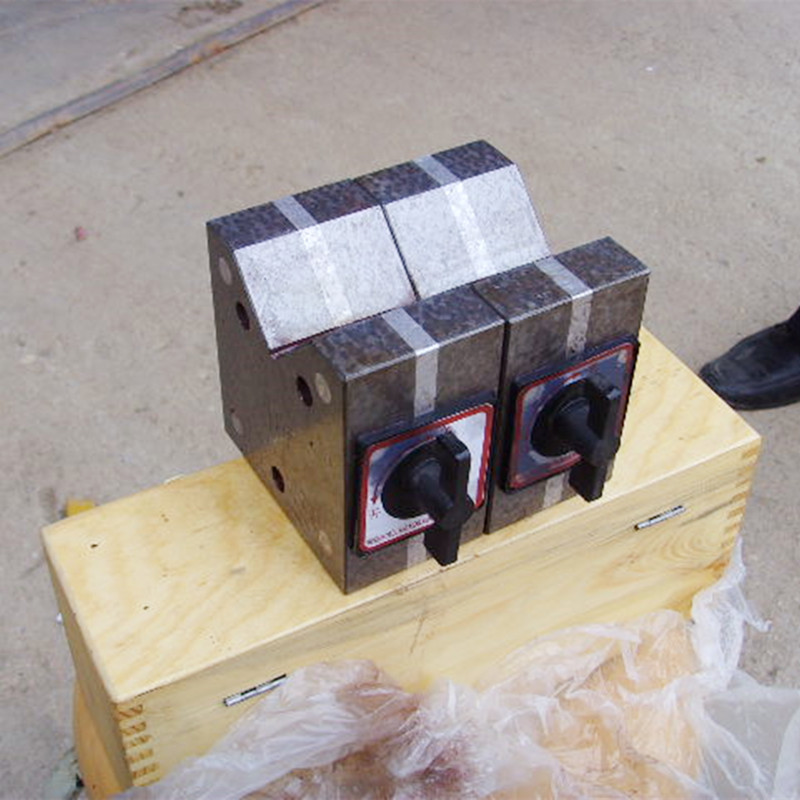
The Indispensable Role of Precision Fabrication Tables in Modern Manufacturing In the realm of advanced manufacturing and industrial processes, the foundation of precision and accuracy often lies in the workholding and measurement tools employed. Central to this is the fabrication table , a critical piece of equipment that serves as a stable, highly accurate reference plane for a multitude of tasks, from layout and inspection to assembly and welding. While the term encompasses a broad range of work surfaces, our focus here is on the high-precision variants, particularly those crafted from materials like cast iron, which offer unparalleled stability and dimensional integrity essential for B2B operations requiring stringent tolerances. A robust and reliable fabrication table is not merely a workbench; it is a meticulously engineered foundation that directly impacts product quality, operational efficiency, and cost-effectiveness. Its significance cannot be overstated in industries where minute deviations can lead to significant structural or functional failures. This article delves into the technical intricacies, application versatility, and strategic advantages offered by these indispensable tools. Industry Trends Shaping Modern Fabrication The landscape of industrial fabrication is continuously evolving, driven by demands for higher precision, increased automation, and greater material versatility. Key trends influencing the design and application of a fabrication table include: Enhanced Precision and Accuracy: As manufacturing tolerances tighten across sectors like aerospace, medical devices, and high-tech machinery, the need for exceptionally flat and stable work surfaces becomes paramount. This drives the adoption of higher-grade materials and more refined manufacturing processes for fabrication tables. Modularity and Customization: Modern production lines require flexibility. Trends lean towards modular metal fabrication table systems that can be easily reconfigured with various clamping solutions (e.g., fabrication table clamps ), fixtures, and extensions to adapt to diverse project requirements without significant downtime. Integration with Automation: With the rise of robotic welding, automated inspection, and CNC machining, fabrication tables are increasingly designed to integrate seamlessly with automated systems, often featuring precision grids or optical targets for robotic navigation and positioning. Material Innovation: While cast iron remains a gold standard for stability, research into composite materials and advanced alloys aims to offer alternative solutions that balance weight, rigidity, and thermal expansion properties for specialized applications. Ergonomics and Safety: A growing emphasis on operator well-being has led to designs incorporating adjustable heights, integrated dust extraction, and improved accessibility, enhancing both safety and productivity. The Manufacturing Process of a High-Precision Fabrication Table The creation of a high-quality steel fabrication table , particularly a cast iron inspection surface plate, is a sophisticated process demanding meticulous control at every stage to ensure the required flatness and stability. The process ensures a service life often extending decades when properly maintained, underscoring its long-term value in target industries such as petrochemical, metallurgy, heavy machinery manufacturing, and water supply & drainage. Schematic Steps: Material Selection: High-grade grey cast iron (e.g., HT200-HT300 per ASTM A48 standards) is selected for its excellent dampening properties, dimensional stability, and machinability. This material is crucial for minimizing vibration and thermal expansion, key advantages in precision work. Casting: The raw material is melted and poured into precisely designed molds. The casting process includes careful temperature control and solidification rates to prevent internal stresses and defects. For larger tables, complex ribbing structures are cast into the underside to enhance rigidity without excessive weight. Rough Machining & Stress Relief (Annealing): After cooling, the casting undergoes rough machining to remove excess material. This is followed by a critical stress-relief annealing process at elevated temperatures (typically 500-550°C) for several hours. This heat treatment stabilizes the cast iron microstructure, relieving internal stresses induced during casting and machining, which is essential for long-term dimensional stability and preventing warping. Fine Machining: Precision milling and grinding operations bring the table surface closer to its final dimensions. This stage is performed on high-accuracy CNC machining centers. Secondary Stress Relief (Natural Aging): For the highest precision tables, a period of natural aging (sometimes months) or a second, lower-temperature stress relief can be employed to further stabilize the material. Hand Scraping: This is the hallmark of true precision. Highly skilled craftsmen meticulously scrape the surface of the table using traditional methods, continually checking against master surface plates to achieve the specified flatness tolerance. This process, often involving thousands of scraping motions, creates a highly uniform surface with excellent bearing points, critical for achieving accurate measurements and long wear life. Final Inspection & Testing: The finished table undergoes rigorous testing. This includes optical flatness measurements using autocollimators or interferometers, adherence to international standards like ISO 8527 (for surface plates) or ANSI B89.3.7, and comprehensive dimensional verification. These strict testing standards ensure the table meets or exceeds required precision grades. Protective Coating & Finishing: A protective coating is applied to prevent corrosion and maintain the surface integrity, especially in harsh industrial environments. This contributes to its corrosion resistance, enhancing its utility in sectors like petrochemicals. Key Technical Specifications of a Precision Fabrication Table Understanding the technical parameters is essential for selecting the appropriate fabrication table for specific industrial requirements. The following table illustrates typical specifications for a high-precision cast iron inspection surface plate, which often serves as a critical fabrication foundation. Parameter Description Typical Value/Range Material High-strength Grey Cast Iron HT200-300 (equivalent to FC250-300, GG25-30) Hardness Brinell Hardness (HB) 170-240 HB Accuracy Grade According to ISO 8527/DIN 876/JIS B 7514 Grade 0, Grade 1, Grade 2, Grade 3 (Grade 0 being highest) Surface Flatness Maximum permissible deviation from true flatness ±(L/1000)µm (e.g., ±2.5µm for 2500mm length, Grade 1) Surface Roughness (Ra) Average Roughness 0.8-1.6 µm (for scraped surfaces) Thermal Stability Coefficient of Thermal Expansion (CTE) ~11-13 x 10 -6 /°C Load Capacity Distributed load bearing capacity Up to 500-1000 kg/m² (depending on ribbing design) Dimensions Standard & Custom Sizes (Length x Width) From 300x300mm up to 10000x4000mm or larger T-Slots / Grid (Optional) For clamping fixtures and workpieces Various sizes (e.g., M12, M16, M20) and spacing These specifications underscore the precision engineering involved, making the fabrication table a foundational asset for industries where dimensional accuracy is non-negotiable. Diverse Application Scenarios and Technical Advantages The versatility of a high-precision fabrication table makes it indispensable across a spectrum of industrial applications. Its robust design and inherent stability translate into significant technical advantages: Application Scenarios: Precision Machining and Assembly: Providing a true and stable datum surface for setting up complex jigs, fixtures, and workpieces for machining, grinding, or assembly of high-tolerance components. Quality Control and Inspection: Serving as the primary reference surface for measuring instruments (e.g., height gauges, CMMs) to inspect the flatness, parallelism, and perpendicularity of manufactured parts. This is critical in industries demanding rigorous quality assurance. Tool and Die Making: Essential for the accurate layout, fabrication, and inspection of precision tools, dies, and molds, where minute inaccuracies can lead to significant production flaws. Welding and Heavy Fabrication: A heavy-duty metal fabrication table with T-slots provides a stable, repeatable platform for clamping large or complex weldments, ensuring dimensional accuracy throughout the welding process. Research and Development: Offering a stable, vibration-dampening surface for optical experiments, laser alignment, and prototype assembly in R&D laboratories. Shipbuilding and Aerospace: For the layout and assembly of large structural components where precision is paramount. Technical Advantages: Exceptional Flatness and Dimensional Stability: Due to superior material properties and meticulous manufacturing (hand scraping, stress relief), these tables maintain flatness over long periods and under varying loads, a direct advantage for measurement and assembly tasks. Superior Vibration Dampening: The high density and inherent material properties of cast iron effectively absorb and dampen vibrations, crucial for sensitive measurement equipment and precision operations, leading to improved energy saving in terms of reduced rework. High Load-Bearing Capacity: Robust construction, often reinforced with internal ribbing, allows these tables to support substantial weights without deflection, making them ideal for heavy fabrication and large workpieces. Resistance to Wear and Corrosion: Properly finished cast iron, especially with protective coatings, exhibits excellent wear resistance and, when specified, enhanced corrosion resistance, extending the service life even in challenging industrial environments. Thermal Stability: Cast iron's relatively low coefficient of thermal expansion contributes to maintaining dimensional accuracy even with minor temperature fluctuations in the workshop, which is a critical factor for precision work. Versatility with Accessories: The integration of precision T-slots or mounting grids allows for quick and secure attachment of a wide array of fabrication table clamps , vices, and modular fixturing systems, maximizing utility. Vendor Comparison and Customized Solutions When investing in a high-precision fabrication table , the choice of vendor and the availability of customization are paramount. The market offers a range of options, but discerning buyers prioritize specific criteria. Key Factors in Vendor Comparison: Factor High-Quality Vendor Offering Common Pitfalls (Lower Tier) Manufacturing Expertise Decades of experience, ISO certified processes (e.g., ISO 9001:2015), skilled artisans for hand scraping. Limited experience, uncertified processes, reliance on machine-only finishing, leading to lower accuracy. Material Quality Strict selection of high-grade grey cast iron (HT200-300), verified by material certificates. Lower grade cast iron, inconsistent material properties, higher risk of internal defects. Accuracy & Certification Guaranteed flatness to ISO Grade 0/1, individual calibration certificates, traceable to national standards. Less stringent accuracy claims (Grade 2/3), generic or no calibration certificates. Stress Relief Process Multi-stage thermal stress relief and natural aging to ensure long-term stability. Inadequate or skipped stress relief, leading to future warping and loss of accuracy. After-Sales Support Comprehensive warranty, maintenance guides, on-site service options, spare parts availability. Limited warranty, poor documentation, difficult to obtain support or parts. Customized Solutions for Your Fabrication Table Needs: Recognizing that standard dimensions do not always suffice for specialized industrial applications, reputable manufacturers offer extensive custom fabrication table solutions. This ensures that the table perfectly integrates into existing workflows and meets unique project demands. Customization options often include: Non-Standard Dimensions: Fabrication tables can be designed and manufactured in virtually any length and width to accommodate oversized workpieces or specific workshop layouts. Precision T-Slots or Grid Patterns: Custom T-slot sizes, spacing, and patterns can be incorporated to match existing fixturing systems or proprietary clamping requirements. Drilled and tapped holes (e.g., M12, M16) can also be added. Integrated Features: Options like leveling feet, vibration isolation pads, integrated lighting, or even sub-surfaces for equipment mounting can be tailored. Surface Finishes: Beyond standard scraped surfaces, specific finishes for enhanced wear resistance or particular surface texture requirements can be accommodated. Modular Constructions: For extremely large surfaces, modular table sections can be designed for precision joining on-site, allowing for future expansion or easier transport. Application Case Studies: Precision in Action Real-world applications highlight the critical impact of a high-precision fabrication table on project success and operational excellence. These examples demonstrate how reliable tooling translates directly into improved product quality and efficiency. Case Study 1: Aerospace Component Assembly A leading aerospace manufacturer required a large, exceptionally stable work surface for the final assembly and inspection of critical engine components. Their previous setup utilized several smaller, less rigid tables, leading to inconsistencies in assembly and time-consuming rework due to accumulating measurement errors. By implementing a custom-designed 4000mm x 2000mm Grade 0 cast iron fabrication table with integrated pneumatic leveling, they achieved unprecedented flatness and vibration dampening. This allowed for precise alignment of complex sub-assemblies, reducing post-assembly adjustments by 30% and significantly decreasing overall inspection time. The robust design and thermal stability of the table ensured consistent results, even during prolonged assembly cycles. Case Study 2: Heavy Machinery Base Frame Fabrication An industrial machinery producer faced challenges in maintaining parallelism and perpendicularity during the welding and assembly of large base frames for CNC milling machines. Warping introduced during welding often necessitated costly post-weld machining. They invested in a specialized metal fabrication table , featuring heavy-duty T-slots and a reinforced sub-structure. The ability to rigidly clamp the large steel sections to the table using robust fabrication table clamps throughout the welding process minimized distortion. This directly resulted in a 15% reduction in post-weld machining, a 10% improvement in assembly cycle time, and a noticeable increase in the overall accuracy and rigidity of their finished machinery frames, validating the investment through tangible ROI. Commitment to Trust: FAQs, Lead Times, Warranty, and Support Establishing trust and providing comprehensive support are cornerstones of our B2B commitment. Here, we address common inquiries and outline our service guarantees. Frequently Asked Questions (FAQs): Q: What is the expected lifespan of a cast iron fabrication table? A: With proper maintenance and use, a high-quality cast iron fabrication table can last for several decades, often exceeding 30-50 years. Its robust material and stress-relieved construction ensure long-term dimensional stability. Q: How do I maintain the precision of my fabrication table? A: Regular cleaning, protection from impact, and annual re-calibration checks are recommended. Applying a light oil film when not in use helps prevent surface corrosion. Avoid dragging heavy objects across the surface. Q: Can these tables be resurfaced if they wear out? A: Yes, cast iron tables can be professionally re-scraped or re-ground to restore their original flatness and accuracy, extending their service life indefinitely. This is a significant advantage over other materials. Q: What are the environmental considerations for manufacturing these tables? A: Our manufacturing processes adhere to environmental regulations, including responsible waste management and energy efficiency. Cast iron is also a highly recyclable material. Lead Time and Fulfillment: Standard size fabrication table models typically have a lead time of 6-8 weeks, depending on current production schedules. Custom fabrication tables, due to design, casting, and extensive finishing processes, usually require 10-16 weeks. Expedited options may be available upon request, subject to an additional fee. We provide detailed project timelines and maintain transparent communication throughout the manufacturing and delivery phases. Warranty Commitments: We stand behind the quality and craftsmanship of our products. Each fabrication table is backed by a comprehensive 5-year warranty against manufacturing defects in material and workmanship. This warranty covers the structural integrity and flatness stability under normal operating conditions. Detailed warranty terms and conditions are provided with each purchase. Customer Support and After-Sales Service: Our commitment extends beyond delivery. We offer dedicated customer support, including: Technical Assistance: Expert guidance on installation, calibration, and optimal use of your table. Maintenance Programs: Recommendations and services for long-term care and re-calibration to preserve accuracy. Spare Parts: Availability of accessories and replacement parts like leveling screws and specialized fabrication table clamps . On-Site Support: For larger installations or specific technical issues, on-site expert visits can be arranged. Conclusion The high-precision fabrication table , particularly the cast iron inspection surface plate, stands as a testament to engineering excellence, offering unparalleled stability and accuracy crucial for modern industrial applications. From meticulous material selection and multi-stage stress relief to expert hand scraping and rigorous quality control, every step in its manufacturing process is designed to deliver a foundation of precision. Its technical advantages, versatile applications, and the availability of customized solutions underscore its role as a strategic investment for B2B enterprises aiming for superior product quality, enhanced operational efficiency, and long-term reliability. By partnering with a reputable vendor, businesses can ensure they acquire a foundational tool that not only meets but exceeds the exacting demands of today's precision manufacturing landscape. References ISO 8527-1:2018. Geometrical product specifications (GPS) — Metrological characteristics of inspection surface plates — Part 1: Cast iron surface plates. International Organization for Standardization. ASTM A48 / A48M-03(2017). Standard Specification for Gray Iron Castings. ASTM International. Donaldson, B. B. (2012). Fundamentals of Dimensional Metrology. Delmar Cengage Learning. Schulz, D. & Wiess, H. (2019). Precision Engineering: An Introduction. Springer Nature.
-

High quality industrial productsagement

High quality industrial products
View Details -

Meet the diverse needs of customers

Meet the diverse needs of customers
View Details -

Strict quality control

Strict quality control
View Details -

Top raw materials

Top raw materials
View Details -

Trusted supplier

Trusted supplier
View Details
Our application

news and information
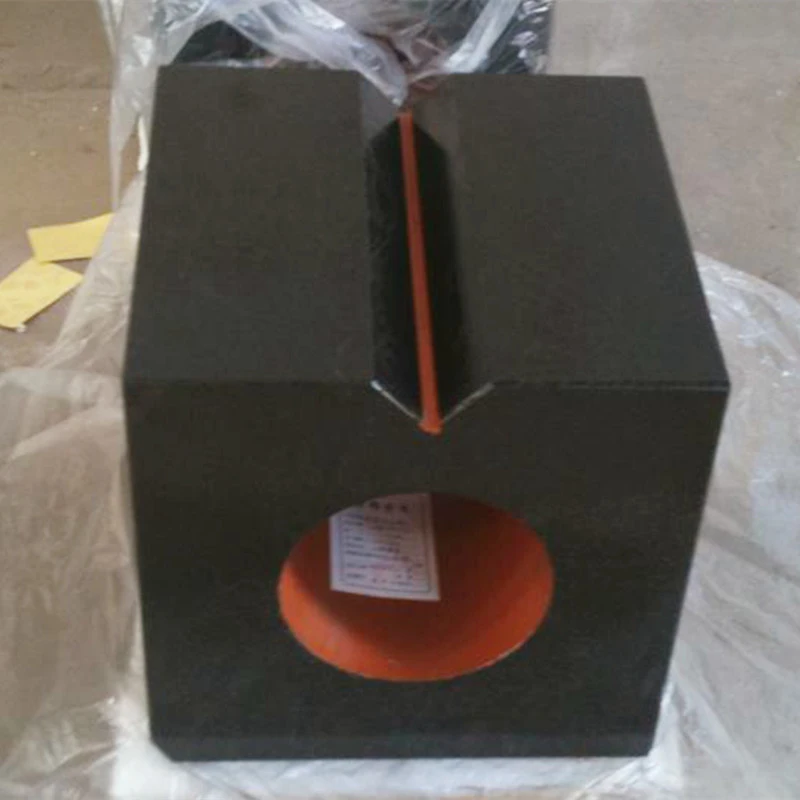
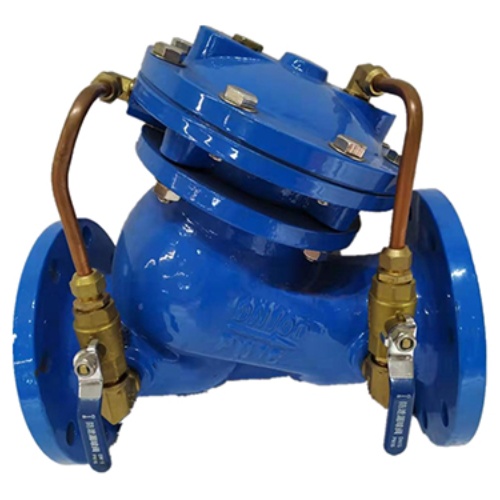
Valve Types
Valve types are the unsung heroes in the world of engineering and manufacturing, playing pivotal rol

Using Ring Gauge for Precision Measurements in Quality Control Testing
The Importance of Ring Gauges in Quality Control In the world of manufacturing and engineering, prec
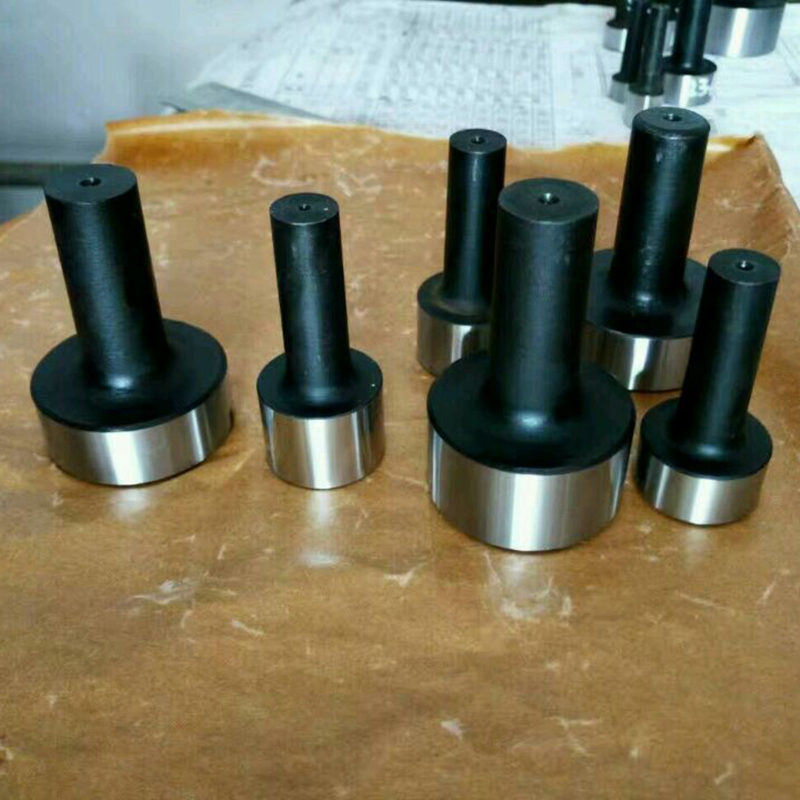
Versatile Welding Table for Modular Fabrication and Assembly Projects
The Modular Welding Table Enhancing Efficiency in Metal Fabrication Welding is a critical process in
 English